Discover the early signs of stroke and the importance of immediate emergency treatment. Fast medical care can prevent brain damage and save lives.
Understanding Stroke and Its Urgency
Stroke is one of the most time-sensitive medical emergencies. It occurs when blood flow to the brain is interrupted, either by a blockage or a ruptured vessel, depriving brain tissue of oxygen and essential nutrients. Within minutes, brain cells begin to suffer irreversible damage, making immediate medical attention not just important, but critical.
Recognizing the early warning signs is the first step toward effective treatment. A stroke often presents suddenly, with symptoms such as:
- Facial asymmetry
- Weakness in one arm
- Difficulty speaking clearly.
These signs may appear mild at first, but they should never be ignored. The widely recognized FAST approach—focusing on facial drooping, arm weakness, speech difficulty, and the urgency of time—serves as a simple yet powerful guide for identifying a potential stroke in its earliest stages.
Why Every Minute Counts
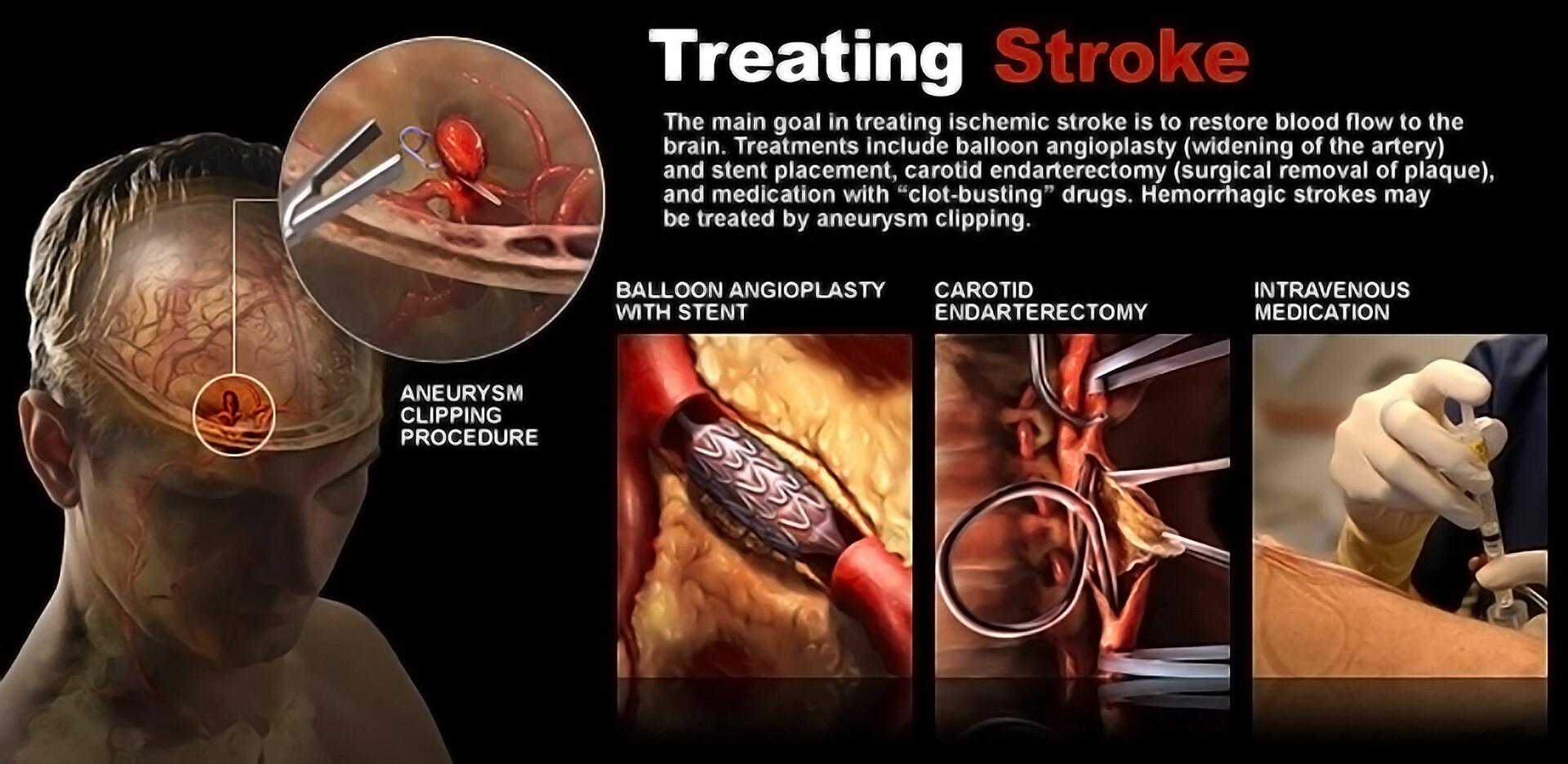
Stroke progresses rapidly, and the longer the brain is deprived of blood flow, the greater the extent of injury. Emergency treatment aims to restore circulation as quickly as possible, often through clot-dissolving medications or specialized procedures that remove blockages in blood vessels. When administered promptly, these interventions can significantly reduce the severity of damage and improve recovery outcomes.
Delays in seeking care can have devastating consequences. Patients who do not receive timely treatment are at much higher risk of complications such as paralysis, impaired speech, memory loss, and reduced independence. This is why any suspicion of stroke should be treated as an immediate emergency. Acting quickly—by seeking urgent medical care without waiting for symptoms to subside—can dramatically alter the outcome.
Prevention and Ongoing Care
While stroke can strike suddenly, many risk factors are manageable. High blood pressure, diabetes, smoking, high cholesterol, and sedentary lifestyles all increase the likelihood of stroke. Regular check-ups, adherence to prescribed treatments, and healthy lifestyle choices can greatly reduce the risk. Awareness, combined with preventive action, empowers patients to protect their health over the long term.
Conclusion
Stroke is a medical emergency where awareness and rapid response save lives. Recognizing the early warning signs, seeking immediate treatment, and maintaining preventive care are critical steps in minimizing damage and improving outcomes. Every minute counts, and prompt action can make the difference between full recovery and long-term disability.
If you or a loved one shows any signs of stroke, call emergency services immediately. Don’t wait—fast response saves lives. For more information on stroke prevention, risk management, and emergency care, contact our hospital’s stroke care team today.


